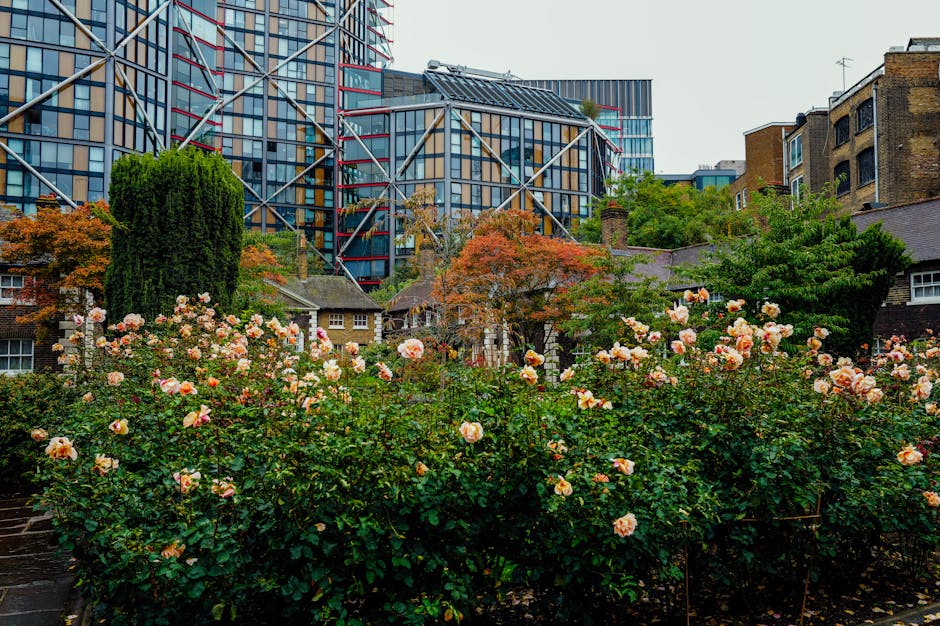
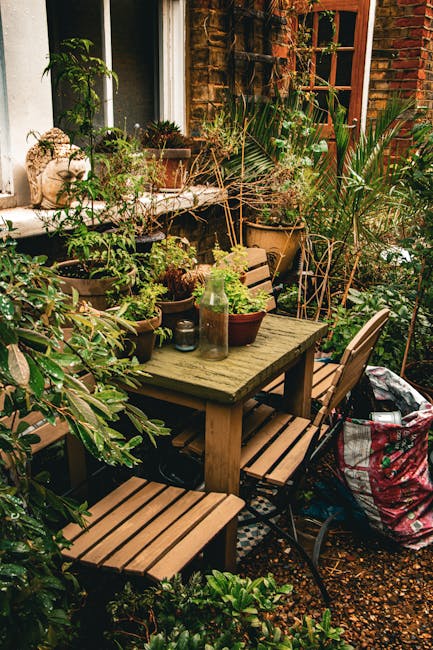
Seven Kings station garden maintenance guide for flats
If you live in or manage flats near Seven Kings station, garden upkeep can quickly become one of those jobs that looks simple from the outside and then turns into a patchwork of mowing, pruning, leaf clearing, access issues, and neighbour opinions. This Seven Kings station garden maintenance guide for flats is here to make it easier. It explains what good maintenance looks like, why it matters in a busy East London setting, and how to keep shared outdoor spaces tidy, safe, and pleasant all year round.
Flat gardens are a bit different from a standard house garden. They are often shared, smaller than you'd like, and used by people with very different expectations. One resident wants a quiet green corner. Another wants neat paving and low mess. Someone else just wants the bins hidden and the weeds gone. Fair enough. The trick is to build a maintenance routine that works for everyone without becoming a full-time headache.
Below, you'll find practical steps, common mistakes, a comparison of maintenance options, and a realistic checklist you can use whether you're a leaseholder, landlord, property manager, or resident committee member.
Why Seven Kings station garden maintenance guide for flats Matters
Shared gardens around Seven Kings station often work hard. They sit beside foot traffic, parked cars, bins, fences, washing lines, and everyday life. In that kind of setting, maintenance is not just about making things look nice. It affects safety, resident satisfaction, property value, and how usable the space feels on a damp Wednesday morning when nobody particularly wants to be outside, but the garden still needs attention.
A well-kept garden can soften the hard edges of a flat block. It gives residents a place to step out for fresh air, makes a development feel cared for, and reduces complaints about mess or neglect. On the other hand, a garden that is left too long can quickly become overgrown, slippery, or patchy. Once that happens, fixing it usually costs more and takes longer. Truth be told, gardens rarely fail all at once; they slip, one small missed task at a time.
This matters especially for flats because the responsibility is often shared. One person assumes the managing agent handles it, someone else thinks residents should chip in, and before long nobody is fully sure who is supposed to book the work. That is why a clear maintenance approach is so useful. It gives everyone a reference point.
If your property already uses broader support services such as garden maintenance services or a planned grounds care contract, this guide helps you understand what should be included and what good looks like in practice.
How Seven Kings station garden maintenance guide for flats Works
In simple terms, flat garden maintenance is a routine of small, repeatable jobs that keep shared outdoor spaces healthy and presentable. It usually includes mowing, edging, weeding, hedge trimming, leaf clearance, planting care, and checks for broken branches, blocked drains, damaged borders, or unsafe surfaces.
The exact schedule depends on the size of the garden, how many residents use it, how exposed it is to weather, and whether the site includes lawn, shrubs, paved areas, or communal planting beds. A compact courtyard behind a block near Seven Kings station might need lighter but more frequent work. A larger communal garden may need seasonal visits and more structured planning.
What makes flats different is the coordination side. Someone has to decide frequency, agree access, confirm responsibilities, and make sure the work suits the building's lease or management setup. That is where many people get stuck. The gardening itself is often straightforward; the organisation around it is the tricky bit.
In practice, a good maintenance plan usually blends three layers:
- Routine care such as grass cutting, litter pick-up, and path clearing.
- Seasonal care such as pruning, mulching, planting, and leaf management.
- Problem prevention such as spotting drainage issues, pests, dead shrubs, or damaged fencing early.
That rhythm keeps the garden under control without turning it into a constant project. And let's face it, nobody wants a flat garden that only gets attention when it already looks tired.
Key Benefits and Practical Advantages
Good garden maintenance is not only about appearance. It creates practical value in ways residents notice every day, even if they do not always say it out loud.
- Better first impressions: tidy planting, clipped edges, and clear paths make a block feel looked after.
- Improved safety: regular cutting and clearing reduce slips, trip hazards, and hidden debris.
- Less long-term cost: small, regular tasks are usually cheaper than recovering an overgrown space.
- More usable space: residents can actually enjoy the garden instead of walking past it.
- Lower neighbour friction: clear upkeep standards reduce disputes about who should do what.
- Healthier planting: shrubs, lawns, and borders do better when they are maintained consistently.
There is also a less obvious benefit: confidence. When a resident steps outside and sees a neat, tidy space, the whole building feels more stable. That matters in shared housing, where people often judge management quality by small visible details.
If your property also needs support with entrances, communal paths, or the outer edges of the site, it can help to combine garden work with commercial ground maintenance so the whole exterior is managed in one plan rather than piecemeal.
Who This Is For and When It Makes Sense
This guide is useful for anyone involved in a flat block with shared outdoor space near Seven Kings station. That includes landlords, leaseholders, managing agents, resident directors, caretakers, and even tenants who simply want the garden kept in decent shape.
It makes particular sense if:
- the garden is shared by multiple flats and nobody has a single clear owner;
- the space has become inconsistent, with some areas tidy and others neglected;
- residents are raising complaints about weeds, overgrowth, or mess;
- the block needs a seasonal plan rather than random ad hoc callouts;
- you want to compare DIY upkeep with using a professional contractor.
A lot of people only start thinking seriously about maintenance when the garden begins to look awkward. You know the kind of scene: one side trimmed, the other side shaggy, a few weeds leaning through paving, and one stubborn patch that somehow always looks dry and unhappy. That is usually the point where a proper plan becomes worth it.
If you are unsure whether your building needs a one-off tidy or an ongoing programme, a local residential garden maintenance service can often help you judge the scope without overcomplicating things.
Step-by-Step Guidance
Below is a practical way to organise garden maintenance for flats. It is simple, but it works.
1. Assess what is actually there
Start by listing the garden elements: lawn, shrubs, hedges, planters, paved paths, boundary fencing, trees, and any communal furniture. A small courtyard with three raised beds needs a very different approach from a larger estate garden with grass, hedging, and wider access routes.
Walk the site slowly. Look for the obvious, but also the boring little things: broken edging, blocked gullies, moss on paving, dead plant material, loose branches, and areas where litter tends to collect. Boring details are usually where maintenance problems begin.
2. Decide what needs weekly, monthly, and seasonal attention
Split the work into a schedule. Weekly tasks might include litter picking and quick visual checks. Monthly jobs could include hedge shaping, weed control, and edge maintenance. Seasonal tasks may include pruning, mulching, replanting, and leaf removal in autumn.
Not every site needs the same frequency. A sheltered garden with slow growth may be fine with lighter visits. A sunnier, more exposed space can grow quickly in spring and summer and may need more regular attention. There is no magic formula, honestly.
3. Clarify who is responsible
Before any work starts, make sure someone is clearly responsible for arranging and approving maintenance. In some blocks, that is the managing agent. In others, it may be the landlord or a residents' group. If the responsibility is unclear, tasks get delayed and the garden quietly slides downhill.
Write it down. Simple beats clever here.
4. Prioritise safety and access
Clear access paths first. Remove overhanging branches, slippery debris, and anything that blocks gates, bin stores, or communal walkways. If the garden is used by children, older residents, or people with limited mobility, safe access matters even more.
A tidy garden that is awkward to walk through is not really a success.
5. Create a seasonal maintenance rhythm
Use the seasons as your framework:
- Spring: reset borders, feed lawns, cut back winter damage, and check planting beds.
- Summer: keep grass trimmed, water where needed, deadhead flowers, and control weeds early.
- Autumn: clear leaves, tidy shrubs, and prepare the garden for wetter weather.
- Winter: reduce unsafe buildup, protect vulnerable plants, and inspect for storm damage.
This kind of structure prevents the classic stop-start pattern where everything looks great for two weeks and then drifts off again. We have all seen that happen.
6. Review results and adjust
After a few visits, check whether the plan is working. Are some areas still getting messy too quickly? Are certain plants not suited to the site? Is the frequency too low or too high? Small adjustments can save a lot of frustration later.
Expert Tips for Better Results
Good garden maintenance is usually about judgement, not just labour. The best results often come from doing the right thing at the right time, rather than doing everything at once.
- Keep hedges slightly narrower than you think. In shared spaces, overgrown hedging quickly starts to feel oppressive and can block light.
- Choose plants that suit low-maintenance communal use. Hardy shrubs, structured planting, and drought-tolerant varieties often work better than fragile displays.
- Use edging to define the space. Clean lawn edges and clear borders make the whole garden feel more intentional.
- Do small weed control often. Five minutes early is better than an hour later. Always.
- Match planting to the light. South-facing corners near buildings can bake in summer, while shaded areas may hold moisture and encourage moss.
- Think about noise and timing. In flats, early-morning work can annoy residents fast. A considerate schedule matters.
One thing we often see in shared gardens is over-planting. People want colour, interest, privacy, and low work all at once. That is understandable, but too many varieties can become messy if nobody has the time to maintain them. Sometimes fewer, better-chosen plants give the most polished result.
For wider site upkeep, many property teams pair garden work with tree surgery when branches are affecting light, safety, or building access. Just make sure any tree work is planned carefully and handled by suitably qualified professionals.
Common Mistakes to Avoid
Most garden problems in flat blocks are not dramatic. They are the slow, ordinary mistakes that build up over time.
- Waiting too long between visits. Overgrowth is always more expensive than regular care.
- Ignoring the edges. Path edges, borders, and fence lines often make the biggest visual difference.
- Using a one-size-fits-all schedule. A small courtyard does not need the same approach as a larger communal lawn.
- Letting residents guess responsibilities. If nobody knows who is in charge, nobody is really in charge.
- Choosing high-maintenance planting for a low-attention site. Pretty is good, but sustainable is better.
- Skipping seasonal leaf management. Wet leaves on paths can become slippery very quickly, especially in autumn.
- Only fixing visible issues. Hidden drainage or soil problems can keep returning if they are not addressed.
A small but common oversight is access. If gardeners cannot easily reach the rear garden, service areas, or side passage, maintenance becomes slower and less thorough. That sounds obvious, but in real blocks it gets overlooked more often than you'd expect.
Tools, Resources and Recommendations
The right tools make the work cleaner and safer, especially in a shared setting where presentation matters.
| Area of work | Useful tools or resources | Why it helps |
|---|---|---|
| Lawn care | Mower, edging tool, rake | Keeps grass even and borders sharp |
| Weed control | Hand fork, hoe, mulch | Prevents weeds from spreading across borders and paving |
| Pruning | Secateurs, loppers, saw | Supports healthy growth and clean shaping |
| Leaf clearance | Rake, blower, bags or collection sacks | Reduces slip hazards and keeps drains clear |
| Planning | Maintenance log, calendar, photo record | Helps track problems and demonstrate regular care |
For shared buildings, a simple photo log can be surprisingly useful. Take a few pictures before and after visits, and note anything unusual. It helps with communication, and it also creates a sensible record if residents later question what has been done. Nothing fancy. Just useful.
If your block needs coordinated support across multiple outdoor tasks, it may be worth reviewing grounds maintenance options rather than booking garden work in isolation. That is especially helpful where paths, communal lawns, and boundary areas all need attention together.
Another practical resource is a written site plan. It does not need to be elaborate. A simple sketch showing access points, planting beds, lawn areas, and problem spots can save a lot of confusion when different people are involved in the upkeep.
Law, Compliance, Standards, or Best Practice
For flat blocks, garden maintenance is not usually about complicated regulation, but there are still sensible standards to follow. The main point is to keep the area safe, reasonably tidy, and free from avoidable hazards. If the garden forms part of a communal area, managing agents and landlords should take care that maintenance is planned and carried out responsibly.
It is sensible to consider the following best-practice points:
- Health and safety: avoid leaving cuttings, debris, or tools where residents could trip or slip.
- Access and egress: keep communal routes clear so residents can move safely through the site.
- Waste handling: remove green waste properly rather than leaving piles on site.
- Noise and timing: schedule noisy work considerately in a residential setting.
- Tree and boundary works: use appropriate care where trees, roots, fences, or shared boundaries are involved.
If the site includes mature trees, shared fences, or rights of access, it may be wise to seek guidance before cutting back anything that could create a dispute. That is especially true in dense London developments where one resident's neat trim can be another resident's grievance. To be fair, that happens more than people admit.
Where contractors are used, it is normal to expect them to work safely, carry suitable insurance, and provide a clear scope of work. You do not need to turn it into a legal thesis. You just want the basics done properly, and documented if needed.
Options, Methods, or Comparison Table
There is no single best way to maintain a flat garden. The right method depends on budget, site size, and how involved the residents want to be. Here is a straightforward comparison.
| Method | Best for | Advantages | Drawbacks |
|---|---|---|---|
| DIY resident maintenance | Very small gardens with willing residents | Low direct cost, flexible timing | Inconsistent standards, poor continuity, depends on volunteer effort |
| One-off tidy-up visits | Overgrown gardens or seasonal resets | Quick improvement, useful for reclaiming neglected spaces | Problems often return without follow-up care |
| Scheduled maintenance contract | Shared gardens and managed blocks | Reliable, easier to plan, better consistency | Requires budget and clear communication |
| Combined grounds and garden service | Sites with paths, borders, trees, and wider communal areas | More joined-up, fewer gaps in care | Needs a clear scope so nothing gets overlooked |
For most flat developments near Seven Kings station, a scheduled maintenance approach tends to work best because it prevents the stop-start cycle. A one-off tidy can be a useful reset, but unless there is follow-up, the garden usually drifts back. Gardening has a way of reminding everyone who is boss.
Case Study or Real-World Example
Imagine a small block of flats close to Seven Kings station with a shared rear garden. The space has a narrow lawn, two shrub beds, a side path, and a few planters near the entrance. Over one wet autumn, the garden started to slide. Leaves gathered by the path, weeds pushed through the borders, and the hedge at the back grew far enough to block part of the light into the ground-floor rooms.
Residents were not unhappy about the garden itself. They were unhappy about the feeling that nobody was in control. One person thought the managing agent would deal with it, another thought the landlord had already booked someone, and meanwhile the space just got scruffier.
The fix was simple, but not instant. First, the site was cleared and cut back. Then the team set a regular maintenance rhythm: lighter visits in summer, leaf clearance in autumn, and a proper spring reset. The work also included a small review of planting choices because a couple of decorative shrubs were not really suited to the shady corner by the fence.
Within a few weeks, the garden felt more open. The path was easier to use, the lawn looked cared for, and residents stopped mentioning the same complaint in every message thread. Small win, but a real one. Those are often the best kind.
Practical Checklist
Use this checklist to keep your shared garden on track. It is especially handy if you manage a block and need a quick review before booking work.
- Identify who is responsible for arranging maintenance.
- List all garden areas, including paths, beds, hedges, and boundaries.
- Decide which tasks need weekly, monthly, and seasonal attention.
- Check for trip hazards, blocked access, and slippery surfaces.
- Remove weeds before they spread.
- Trim overgrowth around entrances and communal routes.
- Clear leaves and debris, especially in autumn.
- Review watering needs for planters and newly planted areas.
- Inspect fencing, edging, and visible damage.
- Keep a simple maintenance log or photo record.
- Adjust the plan after each season if the site needs it.
Expert summary: the best flat garden maintenance is steady, proportionate, and easy to repeat. If the plan is too complicated, it usually fails. If it is too vague, nobody follows it. The sweet spot is a routine that keeps the garden safe, neat, and low-stress for residents.
Conclusion
A good garden outside a flat block should feel calm, usable, and cared for without demanding constant attention. That is really the heart of this guide. The Seven Kings station garden maintenance guide for flats is about turning shared outdoor space into something dependable rather than forgotten. Start with clear responsibilities, build a sensible seasonal rhythm, and keep the work practical. That alone solves a lot.
If you are deciding between a one-off tidy, a regular schedule, or a broader grounds care plan, think about what will still make sense three months from now, not just today. The best solution is usually the one that stays manageable. Quietly effective. No drama.
Get a free quote today and see how much you can save.
And if you keep the garden steady through the seasons, you'll give the whole building a little more breathing room. That matters more than people think.
Frequently Asked Questions
What does garden maintenance for flats usually include?
It usually includes grass cutting, edging, weeding, hedge trimming, leaf clearance, planting care, and general tidying of communal outdoor areas. Some sites also need path sweeping, border maintenance, and checks for safety issues.
How often should a shared garden near Seven Kings station be maintained?
It depends on the size and layout of the space. Small gardens may only need lighter visits at set intervals, while larger communal areas often need more regular attention in spring and summer. A seasonal plan is usually the safest starting point.
Is one-off garden clearance enough for flat blocks?
It can be useful if the garden has become overgrown, but it is rarely enough on its own. Without follow-up maintenance, the same issues usually return. Think of it as a reset, not a long-term fix.
Who is responsible for garden maintenance in flats?
That depends on the lease, tenancy arrangements, and property management setup. In many blocks it is the landlord, managing agent, or residents' management company. If you are not sure, it is worth checking the building documents before arranging work.
What are the main signs a communal garden needs attention?
Common signs include overgrown grass, weeds in borders or paving, fallen leaves, blocked access, messy edges, and shrubs that are growing into walkways or windows. If residents start mentioning the garden repeatedly, it usually means it has already gone past the point of casual tidying.
Can residents maintain a shared garden themselves?
Yes, but only if everyone agrees on the approach and the workload is realistic. For very small gardens, resident-led upkeep can work well. For larger or more visible sites, a professional service is often more consistent and less stressful.
What should I look for in a garden maintenance contractor?
Look for clear communication, a sensible maintenance plan, relevant experience with communal spaces, and proper insurance. It also helps if they understand how residential blocks work, because access, timing, and resident expectations can be tricky.
How do I reduce maintenance costs without letting the garden decline?
Choose hardy planting, reduce overly decorative features that need constant care, and keep up with small jobs before they become bigger ones. A consistent schedule often saves money over time because it prevents major overgrowth and heavy recovery work.
Do flat gardens need different care in autumn and winter?
Yes. Autumn often brings leaf clearance, slippery surfaces, and tidying before wet weather sets in. Winter care is usually lighter, but it should still include safety checks, debris removal, and inspection after storms or frosty periods.
What is the best way to keep a shared garden looking tidy all year?
The best approach is a regular, realistic maintenance routine with clear responsibilities. Keep weeds under control early, trim borders before they get wild, and review the site each season. Consistency matters more than perfection.
Do I need special permission to prune trees or hedges in a communal garden?
It depends on ownership, boundary responsibility, and whether any tree is protected or subject to special conditions. Because shared gardens can involve multiple parties, it is wise to check before carrying out anything significant.
Is professional garden maintenance worth it for a small block of flats?
Often, yes. Even small blocks benefit from consistency, especially if residents are busy or there is disagreement about upkeep. A professional service can keep the garden under control and reduce long-term hassle, which is usually the real value.