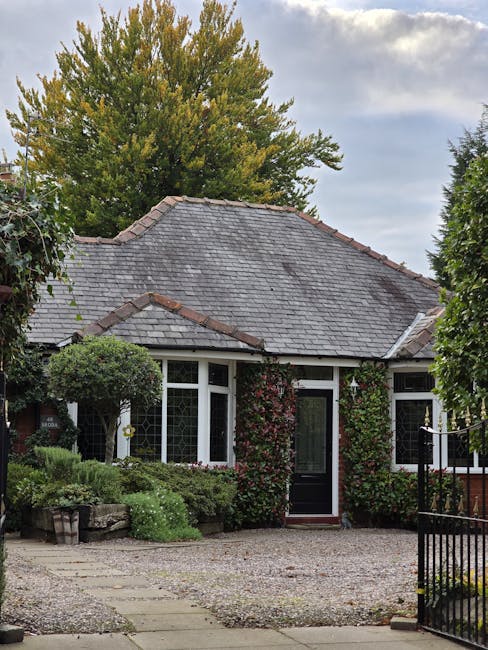
Hedge Trimming in Seven Kings

Keep hedges neat, balanced and healthy with hedge trimming in Seven Kings carried out as a tidy, practical service for homes and managed outdoor spaces. We shape formal boundaries, reduce overgrowth, and maintain a clean finish that suits the plant type rather than forcing every hedge into the same profile. The aim is straightforward: give your garden sharper lines, better light and a finish that looks cared for without stripping away the growth the hedge needs to recover well.
Our hedge trimming work covers light maintenance cuts, more noticeable reductions where a hedge has run ahead of its usual shape, and routine seasonal tidying for established lines of planting. We can also help with mixed frontage planting, boundary hedges that need a consistent height, and hedges that have become uneven after a period of fast growth. If you are comparing options, our services overview gives a simple way to see how this work sits alongside our wider garden care.
Good hedge trimming is more than cutting back what is visible. A sensible approach considers thickness, species, new growth, and the final outline you want to keep. Some hedges respond well to crisp geometric edges; others look better with a softer, natural profile. We work with that difference in mind so the result feels deliberate, not clipped into an artificial shape. Balanced trimming can also help reduce shading at ground level and make the boundary feel less dominant.
Routine Hedge Maintenance
For hedges that are kept in regular condition, the main priority is consistency. Routine trimming helps stop the outer growth becoming too dense, too wide or too top-heavy. It also makes it easier to preserve the height and spread that already suit the space. In practical terms, this means less corrective cutting later and a smarter-looking line throughout the growing season. If a hedge has several faces, each one can be treated as part of a single shape rather than as separate panels.
Regular care is useful for both decorative garden hedging and boundary planting, especially where access is limited or the hedge sits close to paths, fences or adjoining planting. We can trim with careful attention to the edges, the top and the transition between sections so the overall finish is even. For customers wanting broader garden support, garden maintenance can be a sensible complement where the hedge is only one part of the wider outdoor work.
What a tidy hedge finish should achieve
A well-trimmed hedge should look intentional from near and far. The outline needs to be clear, but the plant should still read as living greenery rather than a hard-edged barrier. That means avoiding careless gouges, leaving the hedge with a usable thickness, and keeping the top from becoming wider than the base unless the plant type naturally suits that form. Where the hedge is particularly visible from the street, a measured finish can make the whole frontage feel more orderly.
Shaping, Reduction and Reclaiming Overgrown Hedges

Not every hedge starts from a routine maintenance position. Some need a more noticeable reshape after a spell of unchecked growth, seasonal surges or a period when the intended line has simply been lost. In those cases the work may involve reducing the width, correcting uneven sections or bringing back a clearer profile in stages. The best result depends on the hedge type, the amount of growth present and how much leaf area should remain for healthy recovery.
When hedges are overgrown, a cautious approach is usually better than trying to force everything back in one visit. A severe cut can leave visible gaps, stress the plant and create an outcome that takes time to settle. We assess where the real line ought to be, then trim to that line with enough care to keep the hedge purposeful rather than overworked. For certain jobs, garden clearance may also be relevant where hedge growth has become part of a larger tidying task.
Choosing the right level of cut-back
There is a meaningful difference between standard trimming, moderate reduction and stronger renovation work. Standard trimming refreshes the outer layer. Reduction changes the overall volume. Renovation may be needed where a hedge has gone beyond normal maintenance and requires patient reshaping over time. The right option is not about using the hardest cut possible; it is about preserving the plant while making the hedge useful again. That balance is especially important where the hedge forms a privacy screen or boundary marker.
Hedge Types, Edges and Garden Layout
Different hedge forms need different handling. Informal hedges can be guided into a pleasing natural line with fewer hard edges, while formal hedges benefit from precise sides and a level top. Some gardens need a hedge that feels discreet and soft; others need a stronger visual boundary. Trimming should reflect the hedge’s role in the space, not just its height. That includes paying attention to corners, changes in planting density and transitions where one hedge section meets another.
Where hedging runs alongside a path, driveway or lawn, the edge finish can have a big effect on the way the whole garden reads. Clean lines make boundaries clearer and help prevent the hedge from spilling into circulation areas. On shared or street-facing boundaries, neat trimming can improve the sense of order without making the planting feel severe. For customers looking at wider changes as well as hedge work, landscape gardening is a useful page to review alongside this service.
Some hedges are best left slightly fuller at the base to keep them looking strong and leafy low down, while others need a narrower outline to fit a confined plot. The choice depends on the species, the amount of available light and the visual effect you want from the garden edge. Careful trimming can support a more open feel without undermining the hedge’s function as a boundary or screen.
Managing Growth Through the Seasons
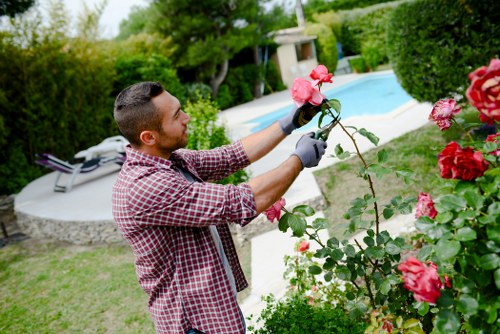
Seasonal growth patterns matter because hedges do not behave in the same way all year. A hedge that looks crisp in early spring may quickly thicken once the weather turns warmer, and a summer trim may need to account for fresh bursts of growth rather than just the shape seen on the day. Trimming at the right time helps the hedge settle into a better outline and reduces the chance of repeated heavy corrections. It also makes maintenance more predictable from one visit to the next.
Where hedges form part of a fuller garden routine, timing can be planned around other outdoor tasks so the space is managed coherently. That may include keeping the hedge line neat while the lawn, borders and access routes are also maintained. If you need the whole plot brought back into order, garden maintenance can sit naturally alongside targeted hedge work, though each task should still be judged on its own needs and growth cycle.
Signs a hedge is ready for attention
A hedge may be ready for trimming if its sides are bulging, the top has become uneven, or the outline is starting to spill into neighbouring space. Another sign is when lower sections begin to lose light because upper growth has become too dense. These issues do not always need a drastic response, but they do suggest that the hedge will benefit from a proper cut rather than a casual tidy. Keeping an eye on shape as well as vigour helps the hedge stay useful for longer.
Access, Debris and a Clean Working Finish
Once the cutting is done, the finish matters just as much as the shape. Hedge work can leave clipped material in borders, on lawns and around edges, so the area should be left tidy and usable. That means removing the obvious cuttings, dealing with the finer debris and making sure the finished hedge does not leave the surrounding garden looking neglected. A clean finish helps the job feel complete, not half-finished.
When planning hedge trimming, it is useful to think about access points, nearby planting and anything that should be kept clear during the work. If a hedge is close to a boundary fence, a path or garden furniture, those details help the trimming stay controlled and efficient. For customers who want the hedge work as part of a wider outdoor refresh, the services overview can help place this job within the full range of garden tasks available.
What customers can prepare before requesting a quote
A short description of the hedge type, approximate length and height, and whether it is a routine trim or a more noticeable reduction is usually enough to start a useful quotation conversation. If there are sections that are especially dense, awkwardly accessed or close to delicate planting, mentioning them early can help shape the visit. Clear information is more helpful than trying to describe every detail; the important point is that the hedge and its setting are understood properly.
Supporting Boundaries, Privacy and Street Presence

Hedges often carry several roles at once. They define where one property ends and another begins, soften a hard fence line, and create privacy without needing a solid wall. Because of that, the right trim is not simply cosmetic. It affects how open or enclosed the garden feels, how much of the front or side boundary is visible, and how settled the space appears from the outside. A thoughtful cut preserves the hedge’s function while improving its appearance.
Where visibility from the street matters, hedge trimming can make a noticeable difference to the overall presentation of the property. A clean line at the top and consistent sides usually read as cared for, even before anyone steps into the garden. If the hedge has begun to interfere with paths, driveways or entrances, bringing it back under control can also improve everyday use. For mixed outside spaces, landscaping may be relevant where hedge work forms part of a broader improvement plan.
Some customers prefer a stricter finish; others want the hedge to look softer and more organic. Both can work well when the cut respects the plant’s natural structure. The important point is to avoid a result that looks either ragged or over-processed. Purposeful trimming keeps the hedge working for the garden while giving it a more settled visual line.
Related Garden Services That Can Complement Hedge Trimming
Although hedge trimming is the main focus here, some gardens benefit from a wider combination of services. A hedge may look best once the surrounding lawn is cut, borders are cleared, or the planting area has been brought back into shape. In larger or more demanding gardens, coordinating several tasks can help the outdoor space feel coherent instead of tidied in isolated patches. The value lies in using the right work in the right places rather than over-treating one feature.
For example, lawn mowing can sharpen the contrast between turf and hedge line, making the boundary read more cleanly. In other gardens, tree lopping and removal may be relevant where canopy growth affects light and the hedge’s ability to maintain a neat form. Where timber surfaces or structural features are part of the same outdoor project, decking services can also sit alongside planting work, depending on how the garden is arranged.
These services are not automatically needed together, but they often become more useful when the garden has several competing needs. The aim is to select the most practical work for the space and avoid unnecessary disruption. If the hedge is one element within a larger plan, it can be helpful to think through the sequence so the finished garden looks joined up rather than piecemeal.
About Seven Kings
Seven Kings is an area in the London Borough of Redbridge, in east London, and is closely associated with the Great Eastern Main Line that helped shape its development as a commuter district. The name is often linked to the old Seven Kings Lane, and the area today sits between larger neighbouring places such as Ilford and Goodmayes. Its character is a mix of residential streets, local shops and transport links, with Seven Kings railway station remaining one of the most recognisable landmarks. The station provides a clear focal point for movement through the district and helps define the area’s everyday rhythm. Beyond the rail corridor, the neighbourhood includes a varied street pattern of Victorian and later housing, interspersed with commercial strips and schools that serve the local population. The surrounding streets show how east London suburbs evolved through incremental building rather than single large-scale design, which gives the area a layered look. Green spaces in and around Seven Kings also matter to local life, with smaller parks and playing areas providing open ground within a built-up part of the city. The district sits within a wider urban fabric, yet it retains a local identity that is distinct from nearby centres. That identity is shaped less by grand monuments than by the everyday mix of homes, shops, traffic routes and rail connections, which together make Seven Kings a recognisable part of Redbridge.
Quoting for Hedge Trimming Work

Pricing for hedge trimming is usually shaped by the size of the hedge, how dense it has become, the type of cut needed and how easy it is to reach all sides safely. A straightforward seasonal tidy is different from a hedge reduction that needs more time and care, so accurate details matter. It is also sensible to consider whether the work is part of a single boundary line or whether there are multiple sections with different heights and finishes. The more clearly the hedge is described, the more realistic the quotation can be.
If you are ready to compare options, a good next step is to gather a brief description of the hedge, note any access limits and say whether the main aim is neatness, reduction or shape correction. That makes it easier to judge the scope before any arrangement is made. You can also review pricing and quotes if you want to understand how enquiries are handled, then decide what to include in your request. Two short CTAs are enough here: think through the hedge, then request your quotation.
For a clearer response, mention the hedge line, the general condition and any concerns about nearby plants or hard surfaces. If the hedge has sections that need different treatment, say so up front. Then ask for a quotation and let the work be sized properly to the garden rather than guessed. Request your quotation here.