Best gardeners in Seven Kings for small front gardens
If your front garden is small, you already know the odd little challenges that come with it. One week it looks neat enough, the next it feels crowded with bins, paving edges, tired shrubs, and that one patch of soil that never quite behaves. Finding the best gardeners in Seven Kings for small front gardens is really about finding someone who understands scale, balance, and the realities of London homes. Not every gardener is great with compact spaces. The good ones are. They know how to make a small frontage feel calmer, brighter, and easier to live with without overcomplicating it.
This guide walks through what to look for, how small front garden work is usually approached, what good service actually looks like, and how to compare options sensibly. If you are weighing up tidy-up help, planting advice, low-maintenance design, or a full refresh, you will find practical guidance here. And yes, a few local realities too - because front gardens in Seven Kings are not all the same, are they?
Table of Contents
- Why Best gardeners in Seven Kings for small front gardens Matters
- How Best gardeners in Seven Kings for small front gardens Works
- Key Benefits and Practical Advantages
- Who This Is For and When It Makes Sense
- Step-by-Step Guidance
- Expert Tips for Better Results
- Common Mistakes to Avoid
- Tools, Resources and Recommendations
- Law, Compliance, Standards, or Best Practice
- Options, Methods, or Comparison Table
- Case Study or Real-World Example
- Practical Checklist
- Conclusion
- Frequently Asked Questions
Why Best gardeners in Seven Kings for small front gardens Matters
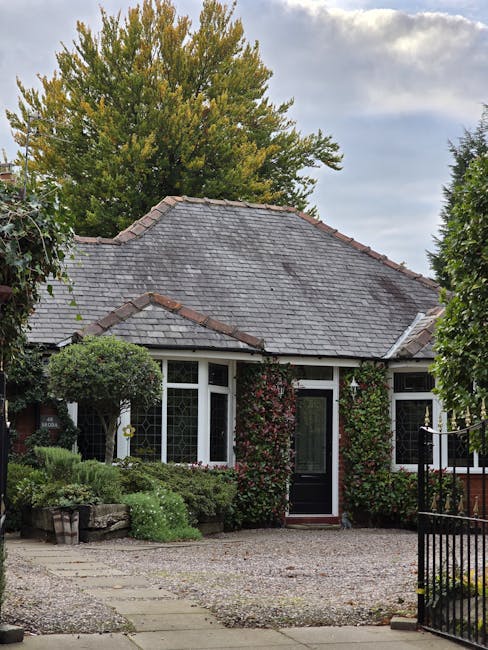
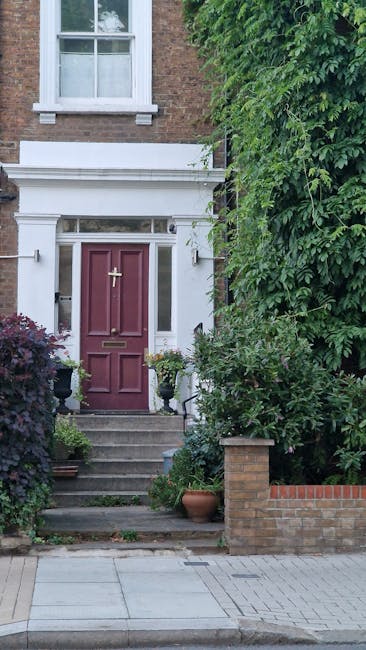
A small front garden does a lot of work. It frames the home, shapes first impressions, and often has to deal with foot traffic, bins, deliveries, limited sunlight, and the occasional parked car nudging the view. In Seven Kings, where homes can range from compact terraces to semi-detached properties with narrow frontage, the design and maintenance choices you make matter more than they would in a larger plot.
The best gardeners in Seven Kings for small front gardens understand that a tiny space can still look elegant, practical, and personal. They do not try to cram in too much. They know when a simple sweep of planting is better than a busy border, and when a crisp edge or a small tree can create structure without making the space feel boxed in. Truth be told, that restraint is often what separates an ordinary result from a really good one.
Small front gardens also need smart maintenance because they reveal mess quickly. A few weeds, a sagging plant, or an overgrown hedge can make the whole frontage look neglected. On the other hand, a neat, well-tended entrance makes the house feel cared for. That is not just cosmetic. It affects how you feel arriving home at the end of the day, and how your property presents itself to visitors, neighbours, and even potential buyers.
If you are also planning to improve side access, tidy outdoor storage, or rethink planting around the entrance, it can help to look at a broader set of local services too, such as garden maintenance support, hedge trimming and shaping, or a more complete garden clearance service. Small front gardens often benefit from more than one kind of help, especially if the space has been left a bit too long. We have all seen that moment: one windy week, and suddenly the whole frontage looks like it needs a serious talking-to.
How Best gardeners in Seven Kings for small front gardens Works
In practice, small-front-garden gardening usually begins with a simple assessment. A good gardener will look at light levels, soil condition, drainage, the shape of the plot, how much of the space is paved, and what the garden needs to do. Is it purely decorative? Does it need low-maintenance planting? Does it need to stay clear for bins, bikes, or prams? Those answers shape everything else.
For a small garden, the process is often less about "doing more" and more about editing carefully. A front garden that feels cramped can usually be improved by reducing clutter, creating a stronger layout, and choosing plants that earn their place. That might mean removing tired shrubs, refreshing beds, re-edging paths, replacing patchy lawn, or introducing a cleaner planting scheme that works in the local climate.
Many local gardeners will also advise on seasonal timing. For example, winter pruning, spring planting, and late-summer tidy-ups each play a different role. A front garden that looks fine in April may get messy by September if the plant mix is not chosen carefully. Small spaces leave little room for error, so maintenance rhythm matters more than people sometimes expect.
A practical service might also include light landscaping tasks such as gravel refreshment, raised bed adjustments, compact border redesign, or installing low-maintenance edging. If you are comparing a gardener's offer, see whether they also cover related tasks like lawn care, planting services, or tree and shrub care. That can be useful when one small area needs several types of attention.
One thing to note: a good gardener should be able to explain not just what they would do, but why. That is a strong sign they understand small-space design, not just routine cutting and tidying. In a small front garden, every choice shows.
Key Benefits and Practical Advantages
There are some obvious benefits, and a few that people only notice after the work is done.
- Better kerb appeal: a neat front garden instantly improves the look of the property from the street.
- Less day-to-day hassle: tidy planting and sensible layout reduce constant trimming, sweeping, and "I'll deal with it later" jobs.
- Smarter use of space: compact gardens can feel bigger when clutter is removed and structure is simplified.
- Lower maintenance over time: the right plants and finishes can save a lot of effort.
- Better seasonal interest: with the right choices, your garden can still look good in winter, not just when everything is in bloom.
- More welcoming entrance: the front of the home feels calmer and more settled, which is oddly comforting on a wet Tuesday morning.
There is also a practical benefit that is easy to overlook: a well-designed small front garden can help guide movement. You know where to walk, where to step, where to place bins, and where not to be brushing past wet shrubs when you are carrying shopping. Little details, but they matter.
If you want a front garden that stays neat rather than one that just looks good for a day or two, the best gardeners tend to think ahead. They choose plants for shape and behaviour, not just colour. That simple habit can save a lot of frustration later.
Who This Is For and When It Makes Sense
This kind of service suits a wide range of homeowners and landlords in Seven Kings. If your front garden is small, overlooked, or hard to keep tidy, you are probably in the right place already.
It makes sense if you:
- own a compact terraced, semi-detached, or maisonette-front garden
- want a neater entrance without major landscaping
- are preparing to sell or let a property and want a better first impression
- have overgrown shrubs, patchy borders, or awkward planting
- need a low-maintenance scheme because you are busy or away often
- prefer a local gardener who understands typical London front-garden layouts
It also makes sense if you have tried managing the space yourself and found it oddly fiddly. Small front gardens are deceiving. They look simple until you realise that a wrong plant choice, a poor edge line, or one heavy-handed cut can throw the balance off. It is a bit like arranging furniture in a tiny hallway - every inch counts.
For some people, the best next step is a one-off tidy and shape-up. For others, it is a longer-term maintenance plan. If you are not sure which route fits, a local provider offering one-off garden tidy-ups and scheduled maintenance can be a useful place to start. That way you can test the service without committing to a bigger project straight away.
Step-by-Step Guidance
If you are hiring gardeners for a small front garden, a clear process saves time and prevents misunderstandings. Here is a sensible way to approach it.
- Walk the space carefully. Notice what feels crowded, what gets sunlight, and what is already working. Pay attention to edges, steps, and the path to the door.
- Decide the main job. Is it tidying, redesigning, planting, or long-term maintenance? A good result starts with a clear brief.
- Ask about small-space experience. Not every gardener is equally strong on compact front gardens. Ask for examples of similar work, especially in urban settings.
- Agree what stays and what goes. This is important. A healthy shrub might still be in the wrong place. A messy border might just need reshaping, not removing everything.
- Discuss maintenance level. Some gardens should be low-effort and structural. Others can be more decorative if you are prepared to maintain them.
- Choose the right finish. This might mean mulch, gravel, edging, planting, lawn repair, or a simple clean-and-tidy service.
- Set a follow-up schedule. Small gardens often look best with lighter, regular care rather than occasional heavy intervention.
A useful question to ask a gardener is, "If this were your front garden, what would you simplify first?" It sounds casual, but it often reveals more than a long list of service descriptions. The answer tells you how they think.
And if they can explain why a certain plant will stay neat near a path, or why a border should be reduced rather than enlarged, that is a very good sign. You want judgement, not just labour.
Expert Tips for Better Results
Small front gardens reward careful choices. The following tips come up again and again in good work.
1. Use shape before quantity
In a compact space, strong outlines often matter more than lots of planting. A clean edge, a well-proportioned shrub, or a narrow bed with repeat planting can create a more polished result than a cluttered mix of specimens.
2. Choose plants that stay tidy
For low-maintenance front gardens, choose plants that do not sprawl aggressively or need constant staking. A plant may look lovely in the nursery, but if it flops across a path by July, it is not helping you much, is it?
3. Think in layers, not blocks
Even a small garden benefits from some vertical variation: groundcover, mid-height plants, and a stronger focal point. This keeps the space from feeling flat.
4. Keep the entrance clear
The route to the front door should feel obvious and easy. Avoid anything that crowds the walkway or makes the space awkward in wet weather.
5. Make maintenance realistic
If you cannot see yourself keeping up with weekly pruning, do not design the garden as if you can. Honest maintenance planning is one of the biggest predictors of success.
Here is a slightly old-fashioned but very useful rule: if a front garden feels busy from the pavement, it is probably too busy. Step back. Look from the street. Then trim once, pause, and look again. That second look often saves the day.
If you want to build a broader maintenance routine, some homeowners also ask about seasonal garden care so the front garden is not left to fend for itself between visits. It is a simple move, but a smart one.
Common Mistakes to Avoid
There are a few mistakes that show up constantly in small front gardens. The good news? They are usually fixable.
- Overplanting: too many plants make the space feel smaller and more chaotic.
- Ignoring scale: a plant that suits a large border can overwhelm a narrow frontage.
- Choosing high-maintenance species: pretty now, annoying later.
- Leaving awkward leftovers: old edging, broken pots, and random sleepers can make a small space feel messy.
- Forgetting drainage: small front gardens often suffer from soggy patches, especially where paving and soil meet.
- Designing for a perfect day: a garden must work in February rain, not just on a sunny Saturday.
Another common issue is trying to solve a design problem with pure maintenance. Sometimes pruning helps. Sometimes it does not. If the layout is wrong, cutting back every few months only delays the inevitable. Better to make one thoughtful change than to keep tidying the same underlying problem.
There is also a temptation to make the garden "fancy" very quickly. In small spaces, restraint usually ages better. Fancy can look a bit try-hard, and nobody really wants that outside their own front door.
Tools, Resources and Recommendations
Good gardeners bring more than shears and a strong pair of gloves. They bring judgement, the right timing, and the right materials for the job. Still, certain tools and resources make a real difference in compact front gardens.
| Tool or Resource | Why It Helps | Best Use in a Small Front Garden |
|---|---|---|
| Hand pruners and secateurs | Allow precise cutting without damaging nearby plants | Shaping shrubs, cutting back perennials, light tidy-ups |
| Edge trimmer or edging knife | Creates a sharper boundary between lawn, border, and path | Small lawns, borders, paved edges |
| Mulch or bark | Helps suppress weeds and retain moisture | Simple, neat finish for compact beds |
| Slow-release feed | Supports healthy growth without constant fuss | New planting and tired borders |
| Plant labels and notes | Makes aftercare easier | Mixed planting schemes and seasonal planning |
As a homeowner, the most useful "resource" is often a decent brief. A short note with photos of what you like, what frustrates you, and what must stay can save a lot of back-and-forth. It sounds basic, but it works.
If you are gathering quotes, it can also help to check whether the business offers related support like soil conditioning or weed control. Those services are not always necessary, but when a small front garden is struggling, they can make a visible difference.
Law, Compliance, Standards, or Best Practice
Most front-garden work is straightforward, but there are a few practical standards and local considerations worth keeping in mind. This is less about red tape and more about doing things properly.
First, if your front garden is close to a public footway, a gardener should work carefully to avoid leaving debris, trip hazards, or obstructed access. That is just sensible good practice. Soil, cuttings, and loose gravel can become a nuisance quickly if they are not cleared away.
Second, if the work involves hedges, trees, or anything near boundaries, it is wise to check ownership and any shared responsibilities before major cutting or removal. In London, boundary misunderstandings are not rare, and they are rarely fun. A calm conversation before the work starts can prevent a headache later.
Third, if waste is removed from site, it should be disposed of responsibly through legitimate garden waste channels. You do not want a bargain quote that turns into a fly-tipping problem. That is not a saving, let's face it.
Fourth, if any hard landscaping is added - edging, paving, drainage changes, or raised features - good practice matters more than speed. The area should remain safe, stable, and easy to maintain. If you are ever unsure about a more involved change, ask for written clarification before work begins.
There are also simple quality standards worth expecting: clear communication, tidy finish, sensible plant choices, and a reasonable aftercare explanation. A solid gardener does not disappear the moment the tools go back in the van.
Options, Methods, or Comparison Table
There is no single right way to improve a small front garden. The best option depends on budget, how much maintenance you want, and whether the space needs a light tidy or a proper rethink.
| Approach | Best For | Pros | Watch Out For |
|---|---|---|---|
| One-off tidy and reset | Overgrown or neglected front gardens | Fast improvement, clear visual impact | May need follow-up maintenance to stay neat |
| Low-maintenance redesign | Busy households, landlords, frequent travellers | Less long-term work, cleaner appearance | Needs thoughtful plant selection from the start |
| Seasonal maintenance plan | Homes that already look good but need upkeep | Consistent condition through the year | Requires regular visits and clear scheduling |
| Soft landscaping refresh | Spaces needing new planting or better structure | Balanced mix of function and appearance | Can be more costly than simple maintenance |
If you are unsure, a tidy-and-assess approach is often the safest starting point. Clean it up, see how the space behaves, and then decide whether you need a redesign. There is no prize for rushing into a full transformation if the basics are still unclear.
Case Study or Real-World Example
Imagine a typical Seven Kings frontage: a narrow path to the door, two tired shrub beds, a small patch of lawn that has seen better days, and a habit of collecting fallen leaves in the corner nearest the wall. Nothing dramatic. Just a bit untidy, and a bit stuck.
A skilled gardener would usually start by clearing away dead growth, reducing the most overbearing plants, and re-edging the borders so the layout reads more clearly. Then they might replace one or two bulky shrubs with compact, repeated planting that gives structure without crowding the path. A mulch finish would help suppress weeds and make the whole thing feel more deliberate.
The result would not need to be flashy. It would just need to feel calm. When you walk up to the door on a wet evening, the space should work without fuss. You should not be ducking branches or stepping around a patch of mud every time you bring the shopping in. That is the real win.
In many cases, the biggest improvement comes from removing confusion. A small garden can look much better once the eye knows where to go. Simple, but powerful.
Practical Checklist
Use this checklist before you book a gardener for your small front garden in Seven Kings.
- Take clear photos of the front garden in daylight.
- List your main goal: tidy, redesign, low maintenance, or seasonal care.
- Decide what must stay and what can be removed.
- Check whether you want planting, pruning, lawn work, or waste removal.
- Ask how the gardener handles compact spaces.
- Confirm whether materials like mulch, plants, or compost are included.
- Ask for aftercare guidance, especially for newly planted areas.
- Make sure access, parking, and front-gate entry are discussed in advance.
- Check whether they offer related help such as front garden design or residential garden services.
- Agree on timing and whether it is a one-off or recurring visit.
A small front garden tends to reward preparation. The more precise your brief, the better the result usually is. Not perfect, maybe. But a lot closer.
Conclusion
The best gardeners in Seven Kings for small front gardens are not just tidy workers. They are practical problem-solvers who understand how to make a limited space feel balanced, welcoming, and easy to maintain. That means thoughtful pruning, sensible planting, clear edges, and a willingness to simplify where needed.
If you choose someone with real small-space experience, you are far more likely to end up with a front garden that looks good in all seasons, not just right after the work is done. And that is the goal, really - a space that quietly does its job and makes coming home feel a little better every time you walk up the path.
Get a free quote today and see how much you can save.
And if you take nothing else from this guide, take this: small gardens do not need to be grand to be lovely. They just need the right hands and a bit of care. That goes a long way.
Frequently Asked Questions
What should I look for in a gardener for a small front garden?
Look for someone who has experience with compact spaces, understands plant scale, and can explain how they would simplify the layout. A good gardener should talk about maintenance as well as appearance.
Are small front gardens cheaper to maintain than larger ones?
Usually, yes, but not always by as much as people expect. Small gardens can still need regular pruning, weeding, edging, and seasonal care. The cost depends more on complexity and condition than size alone.
Can a gardener help make my front garden low maintenance?
Yes. That is one of the main reasons people book this kind of service. A good gardener can recommend tougher plants, simpler borders, better edging, and a layout that is easier to keep tidy.
How often should a small front garden be maintained?
It depends on the planting and how neat you want it to stay. Many small front gardens benefit from light, regular care rather than infrequent heavy work. In practice, seasonal visits plus occasional tidy-ups often work well.
What if my front garden has drainage problems?
Drainage issues are fairly common in compact urban gardens. A gardener may suggest soil improvement, surface changes, or better planting choices. If the issue looks serious, it is worth addressing early rather than waiting for the area to keep sinking into a muddy mess.
Do I need a full redesign, or just a tidy-up?
If the garden is basically healthy but untidy, a one-off tidy-up may be enough. If the planting is overgrown, awkward, or hard to maintain, a redesign may save you trouble over time. A good gardener can help you decide after seeing the space.
What are the best plants for a small front garden in Seven Kings?
That depends on sun, shade, and maintenance preferences. Compact, tidy plants that hold shape well are often a strong choice. The best selection will suit your conditions rather than following a one-size-fits-all list.
Should I ask for waste removal?
Yes, if the work involves pruning, clearing, or digging out old plants. It is much easier to agree this upfront. You want the job finished properly, not with a pile of green waste sitting outside for days.
How do I compare quotes from different gardeners?
Compare the scope of work, not just the price. Check whether plant supply, waste removal, materials, and follow-up care are included. A very low quote can end up being poor value if important parts are missing.
Can a gardener help if the garden is badly overgrown?
Yes, many can. In fact, that is often where a professional makes the biggest difference. Overgrown shrubs and neglected beds can usually be brought back under control with the right cut, clear-out, and follow-up plan.
Is it worth improving a small front garden before selling a home?
Usually, yes. A tidy, well-presented frontage can improve first impressions quickly. You do not need a grand redesign. Often, a neat, well-structured entrance is enough to make the property feel more cared for.
Do I need to be home while the gardener works?
Not always, but it helps for the first visit or if you want to discuss what should stay, what should go, and how you want the finished space to feel. After that, many people are happy to arrange access and let the gardener get on with it.